Welcome!
We are thrilled to have you and your family join us on this unique path to First Holy Communion! Your child will have many opportunities to learn about Jesus, deepen their faith, and experience God's love for all of us during this exciting and significant period in their life.
Through the Grow in Love program, the children will discover what happens during Mass, learn about the significance of the Eucharist, and investigate the story of the Last Supper. They will start to comprehend the unique significance of receiving Holy Communion for the first time through stories, music, prayers, and enjoyable classroom activities.
We understand every family has their own faith journey, but we hope this section of the website will be a welcoming and helpful space where you can find information about what your child is learning in school, along with activities, prayers, and songs that you can do with your child at home.
You don't have to know everything; having a conversation, praying, or being kind to others are all excellent methods to help your child develop their faith.
First Holy Communion preparation involves much more than just one celebratory day. It aims to assist children in developing a relationship with Jesus, realising the value of love and forgiveness, and appreciating the delight of being a part of a faith community.
As we help your child take this significant step in their faith, we look forward to learning, praying, and developing our love for one another.
(First Communion Symbols, 2021)

CDS approach to teaching RE
The CDS approach is the recommended way for all teachers in Catholic primary schools to teach RE lessons.
What does CDS mean?
C- Contemplation: Children are given time to reflect, think, and draw connections between the lesson, their personal experiences, and what they already know. This enables them to reflect on the personal significance of religion and faith. For me, contemplation is all about thinking back and concentrating on what it means for each child to engage in religion.
D- Depth: Through conversation, idea sharing, and projects like making mind maps or posters, the children expand on their initial reflections. They investigate other viewpoints, take into account the reasons behind people's ideas, and deepen their comprehension of the subject. We start to expand our knowledge and examine new material at the this stage.
S- Story/Symbol: The primary goal of this stage is to foster children's awareness of faith through the use of biblical stories and religious symbols used in the Grow in Love programme. The children can investigate Bible stories, like the Last Supper, and consider the significance of symbols related to First Holy Communion, such as the chalice, bread, and wine. Children are encouraged to investigate what these symbols stand for and why they are significant in Catholic worship rather than just naming them.
How can you use the CDS approach at home?
As your child's caregiver, you play a vital role in supporting your child's faith journey towards their First Holy Communion. At home, the CDS approach can be applied through short prayer moments, deep discussions, and Bible story exploration. These activities don't have to be difficult as spending even a short time together can support children's spiritual development.
C- Contemplation: Creating opportunities at home for your child to reflect and pray quietly. This could be at bedtime by saying a prayer together, looking at religious pictures, or spending quiet moments thinking about the love that God has for us.
D- Depth: Ask your child open-ended questions listen to their answers as this will encourage them to think more deeply about their faith. Discuss their answers together to deepen their understanding of their faith and beliefs.
S- Story/Symbol: Look back at some Bible stories that your child has learned about through Grow in Love and discuss the story's meaning. The Last Supper in particular is a very important story when preparing for Communion. Look at some religious symbols such as a chalice or bread and wine, and discuss their significance within the Catholic Church.
Lessons being done to prepare your child for this special day
Before your child completes this big milestone in their faith journey, we will be working hard throughout the year to ensure they are prepared for this special sacrament.
Below is an outline of five lessons that we will be exploring in class before your child's First Holy Communion:
Lesson 1: "Do this in memory of me."
- The focus of this lesson is to examine the story of The Last Supper and Jesus' example of caring for others.
Activities:
- I will begin this lesson by asking the children to reflect on a time they shared a special meal with their friends or family. The children will discuss what makes a meal special compared to the everyday meals they have at home.
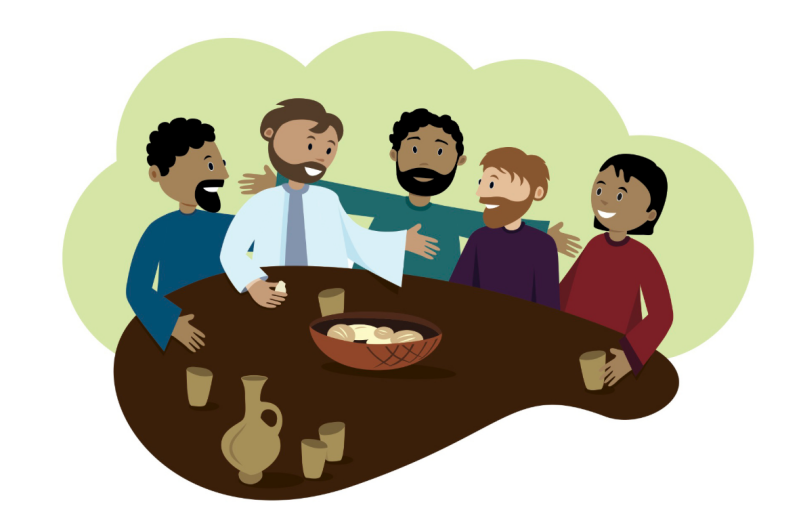
- I will display this picture of The Last Supper and ask the children what they notice about the picture, who is present, and when did The Last Supper take place.
- The story of Jesus washing his disciples' feet will also be covered in class. The children will talk about what this story reveals about Jesus and the significance of assisting others in a Christian life. They will be encouraged to relate the narrative to their personal encounters with friendship, sharing, lending a hand at home, and involving others.
How can you support your child at home after this lesson?
How can you support your child at home?
- Talking about special meals your family has and the importance of spending time together might help you review the lesson. Encourage your child to recount the Last Supper story in their own words and share their recollections of Jesus' actions.
- This week, decide on one kind act of service to perform together, like lending a hand to a neighbour, splitting a household chore, or including someone who feels excluded. Discuss how this reflects Jesus' teachings.
Lesson 2: "At Mass we thank God."
- This lesson we will focus on thanksgiving and helping the children recognise that Mass is an opportunity to thank God for his love.
- This lesson focuses on thanksgiving and helps children recognise that Mass is an opportunity to thank God for his love and for the many gifts in our lives. While learning that expressing gratitude is a crucial component of prayer and Catholic liturgy, children are encouraged to reflect on the people, things, and experiences they value.
- To help the children become more familiar with the Structure of Mass, and to understand the celebration of the Eucharist, this lesson will also introduce the Preparation of the Gifts, when bread and wine are brought to the altar.
Activities:
- Children will read the poem "I Am Thankful" and talk about what it means to value the people and experiences in their lives. They will participate in a creative exercise called "We Are Thankful," where they will express their gratitude through writing and drawing.
- The class will also explore the Preparation of the Gifts using a Grow in Love video. The children will study the significance of bringing bread and wine to the altar during Mass.
- Another task is for children to write an acrostic poem titled "THANKS," where each letter represents a concept related to thankfulness. Children will learn that they can express gratitude to God in both formal prayer and daily life through prayer and reflection.
- During this lesson the prayer "Prayer Before Communion" will be learned to help prepare the children for Mass.
How can you support your child at home?
- Including appreciation in your family's daily routine is one of the easiest methods to reinforce this lesson. Ask each person to share one positive experience from the day at dinner or bedtime. This can assist children in identifying the people and situations that make them happy and supportive.
- Each person can make an appreciation list where they write or draw something that they are grateful for.
Lesson 3: “At Mass, We Receive Holy Communion” (Grow in Love
- This lesson explains what it means to receive Holy Communion and explains to children why the Eucharist is essential to Catholic life.
- Children learn about the main components of Mass and how Holy Communion fits into the celebration. They learn about the Catholic belief that the bread and wine transform into the Body and Blood of Christ during the Eucharistic Prayer. The children will also learn the significance of accepting Holy Communion with respect and understanding during the lesson.
Activities:
- Through an interactive sequencing activity, the children will order the main parts of Mass. This will help them become more familiar with the experiences they will endure during their First Holy Communion celebration.
- The children will watch "The Institution Narrative" where they will watch the priest pray over the gifts of bread and wine with the words of Jesus from the Last Supper.
- Children will get the opportunity to ask questions about the meaning of Holy Communion and share what they already know about it. Additionally, they will learn about prayers before and after Communion, which will help them understand the significance of prayer in preparing for and responding to receiving Jesus.
How can you support your child at home?
- You can help by talking through what happens at Mass and giving their child opportunities to ask questions. If possible, attend Mass together and help your child recognise familiar parts of the celebration.
- You and your child can reflect on the Prayer after Communion together and talk about the importance of showing respect during Mass
Additional activities you can do to support your child in their faith journey:
- Reflecting on a story your child has learned about in school through discussion
- Draw or paint a picture based on what your child has learned.
- Say some prayers together that your child is using to prepare for this holy sacrament.
- Talk to your child about their thoughts, feelings, relationships, and what they have learned at school this week.
- Make the Sign of the Cross when you pass a church.
- Bring your child to Mass.
- Say some prayers together as a family.
(For Parents | Grow in Love, n.d.)
These activities are a guide, pick and choose what suit your family's beliefs.
Online resources for communion:
-
Grow In Love has a section for additional resources about communion here.
Create Your Own Website With Webador